23 Aug 2026
Design Elements Influencing Shifts in Game Selection Within Licensed Mobile Gaming Spaces
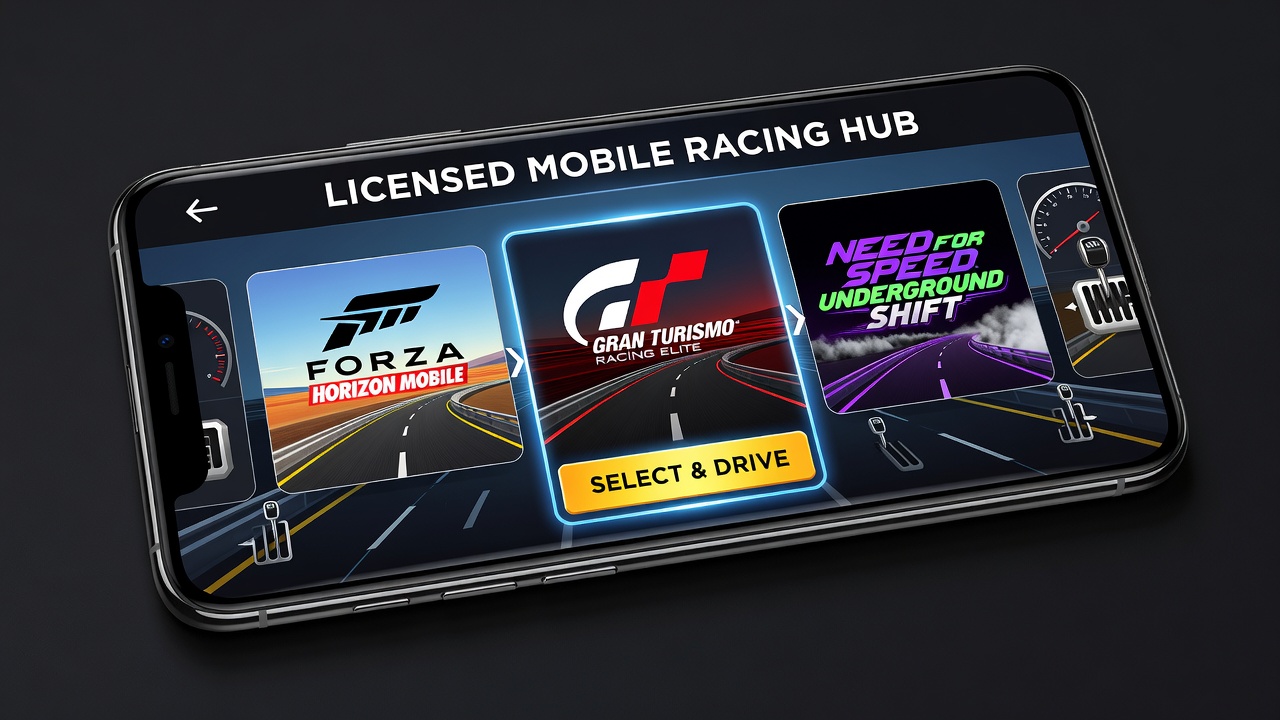
Interface components in licensed mobile gaming apps continue to shape how players navigate and select titles, with data from regulatory bodies across multiple regions highlighting measurable changes in engagement patterns through 2026. Observers note that elements such as menu structures, touch-responsive buttons, and visual hierarchies guide initial choices more than content descriptions alone, while longer sessions often depend on seamless transitions between screens.
Research conducted by the Alcohol and Gaming Commission of Ontario reveals that simplified navigation bars increased selection of certain slot-style games by 18 percent in monitored apps during the first half of 2026, and similar patterns emerged in other jurisdictions where regulators track user flows through anonymized telemetry. Those who study these environments point out that color-coded category tabs and prominent search fields reduce the time spent browsing, which in turn directs attention toward titles positioned at the top of recommendation lists.
Layout and Touch Interaction Patterns
Touch targets sized for thumb reach remain central to selection behavior, since smaller buttons lead users to favor games already featured on home screens rather than exploring deeper catalogs. A report issued by the Nevada Gaming Control Board in August 2026 documented how swipe-based carousels boosted discovery of live dealer options while static grids kept traffic concentrated on established poker variants. Experts tracking these metrics found that apps incorporating gesture controls for quick filters saw shifts toward strategy-heavy titles among users who previously defaulted to simpler formats.
Real estate allocation on smaller displays plays a direct role as well, and developers adjust spacing so that high-value games occupy prime positions without crowding surrounding options. Studies from the University of Nevada, Las Vegas Center for Gaming Research indicate that vertical scrolling combined with sticky headers maintains visibility of popular categories even as players move through extensive libraries, and this arrangement correlates with steadier selection rates across different player segments.
Personalization Through Visual Cues
Dynamic thumbnails and progress indicators embedded in game icons provide immediate context that influences decisions, with evidence from industry analyses showing higher click-through on titles displaying recent win animations or streak counters. But here's the thing: when these cues update in real time, they steer choices toward games that appear active or rewarding at that moment rather than those buried without such signals.
Observers tracking licensed platforms note that profile-based recommendations displayed in horizontal carousels encourage repeat selection of the same few titles, while broader discovery sections featuring neutral icons distribute attention more evenly. Data compiled by the Australian Communications and Media Authority shows that users exposed to tailored previews in August 2026 records selected from a wider range of categories than those presented with generic grids, although overall session length remained comparable across both approaches.
Feedback Mechanisms and Loading States
Instant visual feedback during transitions, such as loading spinners or subtle highlights on selected items, helps maintain momentum and reduces abandonment before a game launches. Researchers examining app telemetry across European markets found that clear status indicators correlate with increased exploration of less familiar titles, because users feel confident they can return to the menu without friction. Those monitoring licensed environments observe that haptic responses paired with on-screen confirmations further reinforce selections, particularly when players switch between multiple games in a single session.
Consistency in iconography and control placement across different game types also matters, since mismatched layouts prompt users to stick with familiar options rather than testing new ones. Reports from the Canadian Gaming Association highlight how standardized bottom navigation reduced hesitation when moving between table games and instant-win formats, leading to broader distribution of playtime across available titles.
Conclusion
Interface elements continue to function as primary drivers of selection patterns in licensed mobile gaming, with regulatory data and academic findings confirming that layout, personalization, and interaction design directly affect which titles receive attention. As platforms evolve through 2026 and beyond, these components will likely sustain their influence on how players allocate time across catalogs, provided updates remain aligned with measured user flows from diverse markets.