4 Jun 2026
Layered Verification Systems Controlling Feature Availability in Digital Gaming Platforms
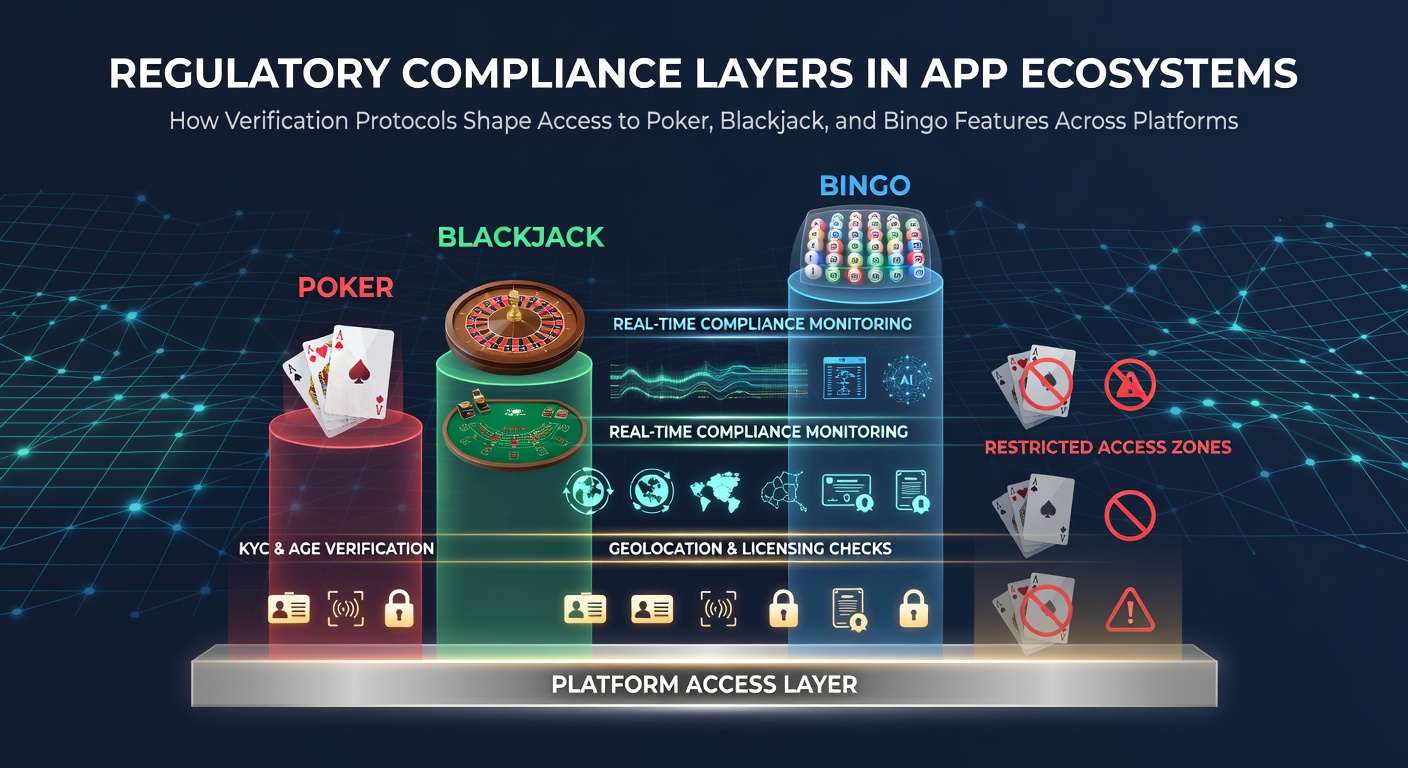
App ecosystems delivering poker, blackjack, and bingo operate under multiple regulatory compliance layers that determine which users gain access to specific features at any given time, and verification protocols form the core mechanism enforcing these restrictions across jurisdictions. Platforms must implement sequential checks before unlocking cash-game tables or tournament modes, while free-play variants often follow lighter protocols that still require basic identity confirmation in many regions.
Age verification stands as the initial gate in most systems, where users submit government-issued identification or undergo biometric matching before any real-money features become available, and this process directly limits minors from entering poker cash games or blackjack sessions even when the app itself downloads without issue. Bingo rooms frequently apply the same threshold despite their social reputation in some markets, because regulators treat the format as equivalent to other chance-based offerings once monetary stakes enter the picture.
Identity Confirmation and Account Tiering
Know-your-customer procedures add a second layer once age clears, requiring address verification, source-of-funds documentation, and sometimes ongoing transaction monitoring that can suspend access mid-session if anomalies appear. Poker platforms often escalate these checks faster because multi-table play and larger bankrolls trigger higher risk scores, whereas blackjack and bingo may allow limited play until cumulative activity crosses preset thresholds set by licensing authorities. Data from the New Jersey Division of Gaming Enforcement shows that account verification completion rates reached 94 percent among active users by early 2026, with incomplete profiles restricted from bonus features and jackpot pools.
Geographic Controls and Platform Segmentation
Geo-location protocols represent the third compliance layer, using IP analysis, GPS data, and Wi-Fi triangulation to enforce state or national boundaries that decide whether poker ring games, blackjack variants, or bingo halls appear at all. Users crossing into restricted zones experience immediate feature blocking rather than full app shutdown, and this granular control allows operators to maintain separate lobbies for different regulatory environments without rebuilding entire codebases. In June 2026 several Canadian provinces updated their location-verification standards to require real-time rechecks every fifteen minutes during active sessions, tightening access for cross-border travelers who previously maintained play through cached sessions.
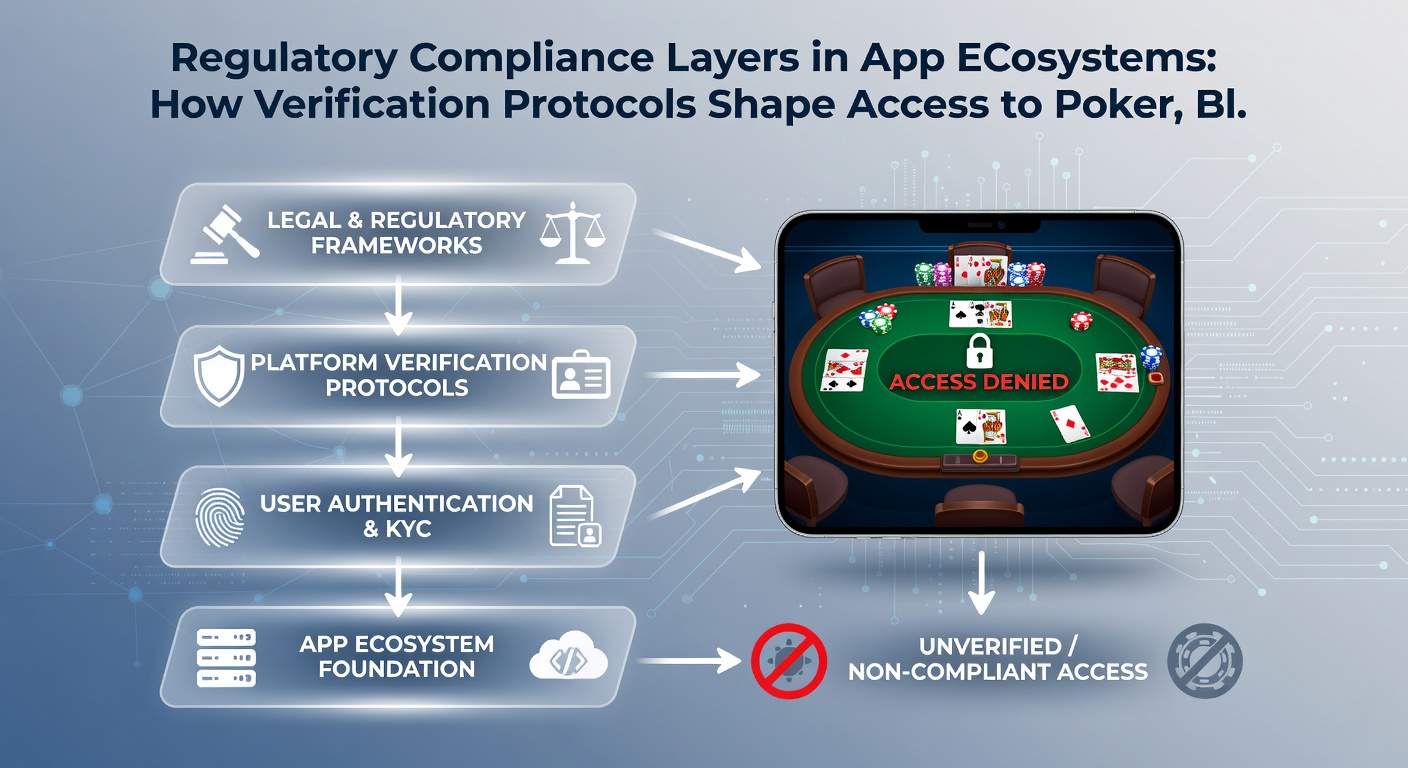
Device fingerprinting and behavioral analytics form additional sublayers that platforms combine with the primary checks, flagging patterns such as rapid location changes or unusual bet sizing that may indicate proxy use or account sharing. These secondary systems rarely block access outright but route flagged accounts into manual review queues, delaying feature activation for poker tournaments or bingo progressive jackpots until staff clear the activity. Observers note that the combination creates a stacked architecture where each layer feeds data into the next, producing cumulative restrictions that vary sharply between free and paid environments.
Regional Regulatory Variations
European operators licensed under the Malta Gaming Authority must integrate all three primary layers plus responsible-gaming tools such as deposit limits and session timers before any user reaches poker, blackjack, or bingo cash features, whereas certain Australian state frameworks emphasize harm-minimization checks that can restrict bingo autoplay functions even after identity verification succeeds. Research from the University of Nevada Reno gaming laboratory indicates that platforms employing unified compliance engines reduce regulatory incidents by 37 percent compared with fragmented systems, primarily because verification failures in one layer automatically propagate restrictions across game categories rather than allowing isolated workarounds.
Payment-method verification often serves as a final gate for withdrawal-enabled accounts, confirming that funding sources match the registered identity and jurisdiction before releasing winnings from poker sit-and-gos or blackjack side bets. Bingo operators in some markets link this step to charity-donation reporting requirements, adding another documentation round that casual players encounter only after accumulating significant balances. Those who study cross-platform data find that users completing all layers within a single session gain full feature parity, yet partial completion leaves them in tiered environments where only practice modes or low-stakes tables remain visible.
Conclusion
Verification protocols embedded in app ecosystems therefore function as dynamic filters that translate regulatory mandates into real-time access decisions for poker, blackjack, and bingo alike, shaping everything from initial onboarding to ongoing session capabilities. Platforms that synchronize these layers across game types maintain consistent compliance footprints while still offering differentiated experiences based on user verification status and location data. As jurisdictions continue refining their standards through 2026 and beyond, the architecture of these controls determines not only who plays but which specific features remain reachable within each regulatory boundary.