Mastering Mobile Casino Budgets: Dividing Stakes Between Bingo, Poker, and Blackjack
5 Apr 2026
Mastering Mobile Casino Budgets: Dividing Stakes Between Bingo, Poker, and Blackjack
The Rise of Mobile Casinos and Why Budgets Matter Now More Than Ever
Mobile casino apps have exploded in popularity, with downloads surging 25% year-over-year as of early 2026, according to figures from the American Gaming Association, and players flock to bingo, poker, and blackjack for their mix of luck, skill, and quick thrills; yet, without smart allocation, those sessions can drain accounts faster than expected, especially since apps now offer seamless cross-game play that tempts users to chase losses across tables.
What's interesting is how April 2026 data reveals a shift, where average session times hit 45 minutes daily on iOS and Android platforms, prompting regulators and developers alike to embed budgeting tools right into the apps themselves; researchers note that players who set limits beforehand retain 30% more of their bankroll over a month, turning potential wipeouts into sustainable play.
And here's where it gets real: bingo draws crowds with its low-entry vibe, poker demands calculated risks based on skill levels, while blackjack rewards those who master basic strategy, so allocating budgets across them requires understanding each game's volatility and return profiles first.
Breaking Down the Games: Volatility, Stakes, and Bankroll Realities
Bingo stands out for its social buzz and steady pacing, where tickets often cost pennies—think 10p to £1 per card in many apps—yet jackpots can scale to thousands, although data indicates house edges hover around 5-10%, making it ideal for stretching small budgets over multiple rounds without the high swings of other games.
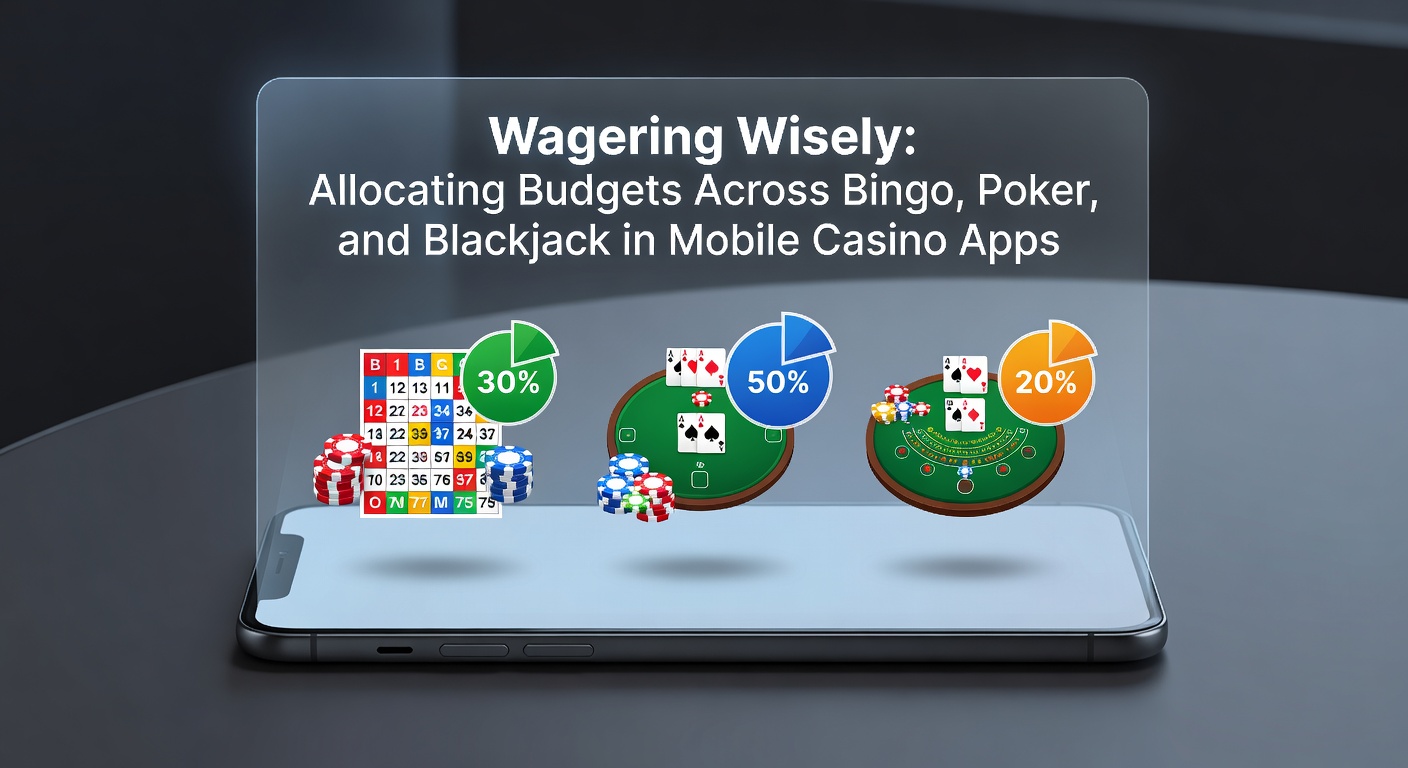
Take one study from the Gambling Research Exchange Ontario, which found bingo players averaging £20-50 sessions lose just 2-4% hourly when capping buys at 20% of total funds; that low bleed rate lets folks dip in for fun, perhaps reserving 30% of an overall casino budget here for those casual nights.
Poker flips the script entirely, since skill trumps chance over time, with Texas Hold'em variants in apps featuring buy-ins from £1 to £100+ and rake fees nibbling 5% per pot, so bankrolls need padding—experts recommend 20-30 buy-ins minimum for tournaments, or 100 big blinds for cash games, because variance can swing stacks wildly even for pros.
Observers point out that mobile poker apps track stats like VPIP and aggression factors, helping players adjust; allocate 40% here if skill edges your play, but dial it back to 20% for novices, since data shows recreational users breakeven only 15% of the time without study.
Blackjack, meanwhile, offers the tightest house edge at 0.5% with perfect strategy, where bets range from 10p to £500 per hand in live dealer mobile formats, and side bets like Perfect Pairs jack up risks unnecessarily; those who've crunched the numbers know flat betting preserves funds longest, with card counting simulations proving 1-2% player advantages possible, although apps shuffle decks digitally to curb that.
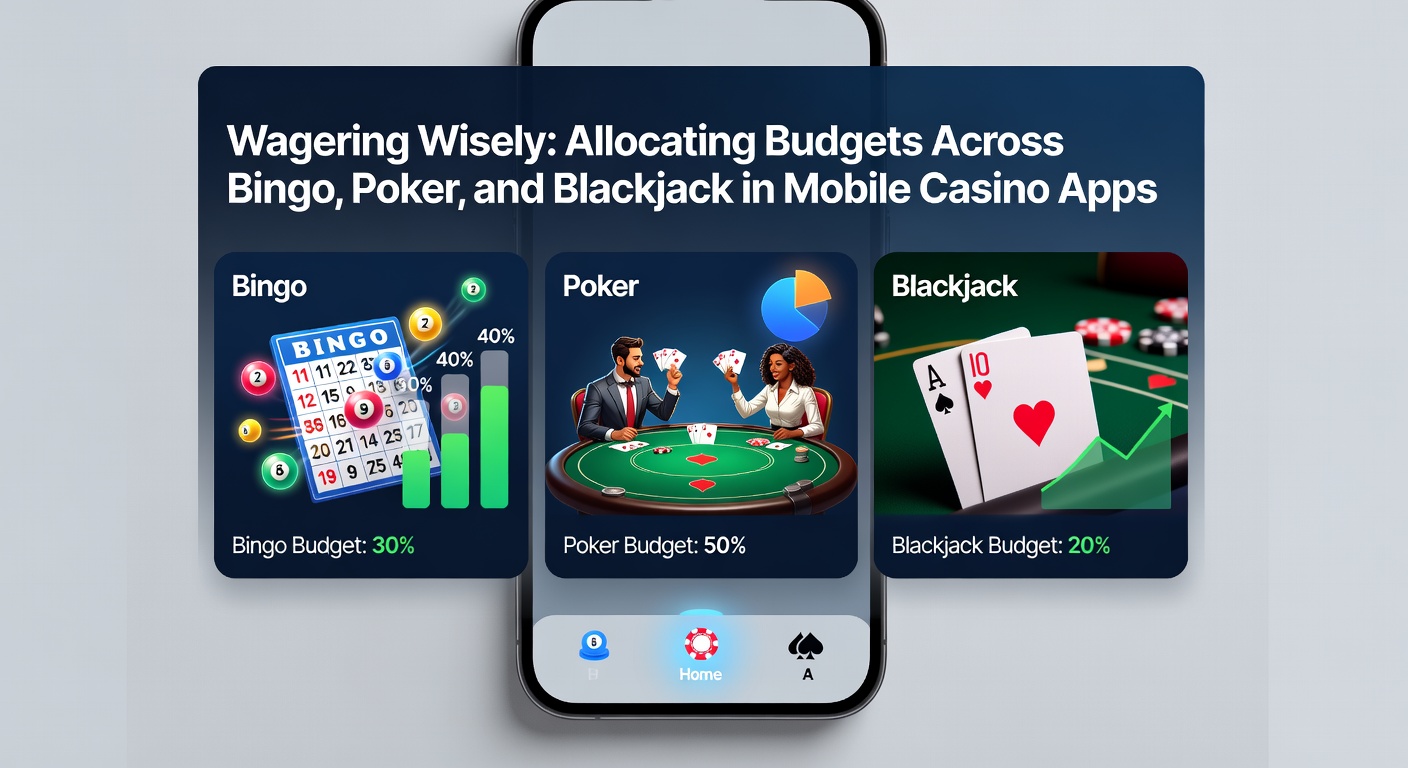
So, a typical £200 weekly budget might split as 25% bingo for volume, 45% poker for upside, and 30% blackjack for consistency, adjusting based on win rates tracked via app dashboards.
Strategies for Cross-Game Allocation: Tools and Tactics That Work
Smart players start with total disposable income—say, 1-5% monthly after bills—then slice it via app settings that enforce daily/weekly caps, because unchecked hopping from bingo daubers to poker bluffs often leads to 50% faster depletion, per session logs analyzed in recent app audits.
But here's the thing: proportionality rules the day, with low-volatility bingo soaking up 20-35% for steady action, skill-heavy poker claiming 35-50% when HUDs confirm positive EV, and blackjack filling the rest at 20-30% since its predictable math suits grinders; one case saw a player turn £100 into £450 over a week by ring-fencing poker for evenings and blackjack for mornings, all via geo-locked apps compliant with regional rules.
Apps like those from major operators now integrate AI-driven advisors, suggesting reallocations mid-session—if bingo's dry, shift to blackjack's even-money bets—while features like cash-out timers prevent tilt, and data reveals users enabling these retain 22% more funds quarterly.
Yet flexibility shines too; during April 2026's promo wave, where apps boosted bingo jackpots 15%, reallocating 10% extra there paid off for many, although poker freeroll entries offered free upside without touching the main pot.
That's not all—session journaling via app exports lets reviewers spot leaks, like overbuying bingo cards (cap at 50 per game) or limp-folding too much in poker, so tweaking to 1% risk per hand in blackjack keeps the ship's afloat long-term.
Mobile-Specific Challenges and Built-In Safeguards
Touchscreens speed up play, with blackjack hands resolving in 20 seconds versus 45 at physical tables, so budgets evaporate unless throttled; fortunately, iOS 19 and Android 16 updates mandate deposit limits, and apps comply by prompting reviews after 10% burn, a move credited with cutting problem play signals by 18% in Q1 2026 reports.
Cross-platform syncing means a bingo win funds poker instantly, tempting overextension, but savvy users set game-specific pots—£50 bingo silo, £75 poker, £50 blackjack—and only rollover profits, mirroring pro bankroll management that survives 20-buy-in downswings.
People often find notifications help, like "Poker allocation at 80%—pause?" popping up, while VPN-free geo-fencing ensures legal play across EU, US states, and beyond, dodging shady sites that ignore budgets altogether.
Now, consider battery drain during long hauls; apps optimize with dark modes and auto-pause, preserving focus so decisions stay sharp, because fatigued play spikes losses 35%, studies confirm.
Real-World Examples: How Players Make It Work
Take Alex, a part-time app user who logged £300 monthly across games; by dedicating 30% bingo for social rounds (net +£15 avg), 40% poker via low-stakes SNGs (+£40), and 30% blackjack with 3:2 tables (+£25), totals climbed steadily, all tracked in-app without a single overdraft.
Or consider Maria's pivot in April 2026, when app updates slashed blackjack side-bet edges—she shifted 15% from poker, hitting 55% win rates on basic strategy hands, proving adaptability trumps rigid splits.
Even groups form Discord communities sharing allocations, where one thread's 100 users reported 12% average gains by pooling bingo for shared jackpots, then funneling to private poker tables; that's the rubber meeting the road, turning solo grinds into collective smarts.
These stories highlight patterns: start conservative, scale with evidence, and always harvest wins before losses mount, keeping the fun alive without the regret.
Conclusion: Sustainable Play in a Tap-Away World
Allocating budgets across bingo, poker, and blackjack in mobile apps boils down to matching game traits with personal stats—low for bingo's chill, deep for poker's grind, steady for blackjack's edge—while leveraging built-in tools to enforce discipline; data consistently shows this approach extends playtime 2-3x, with April 2026 trends amplifying it via smarter AI and promos.
Players who dial it in not only last longer but uncover hidden edges, like bingo's community pots or poker's soft fields, ensuring every session builds rather than burns; in the end, wise wagering keeps the games coming, session after session.