27 Aug 2026
Player Behavior Dynamics in Multi-Format Gaming Apps: Transitioning from Simple Draws to Complex Strategies
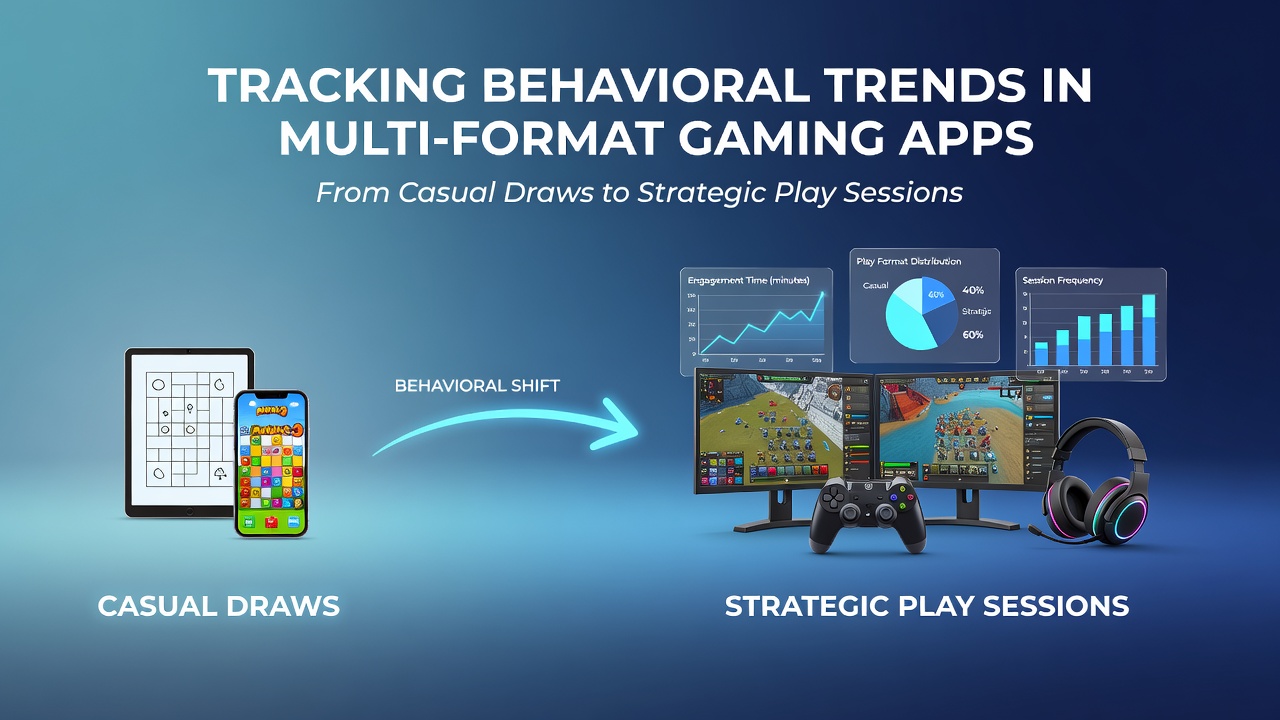
Multi-format gaming apps combine quick draw mechanics with extended strategy layers, and researchers track how users move between these elements over time. Studies from 2025 indicate that initial sessions often center on randomized draws, whereas later patterns shift toward planned resource allocation and competitive matches. Data collected through app analytics platforms reveal session lengths increasing from under five minutes in early stages to over twenty minutes once strategic features unlock.
Initial Engagement Through Casual Draw Systems
Apps such as those featuring collectible card packs or item lotteries record high volumes of short interactions during the first week of use. Metrics from North American platforms show that 68 percent of new accounts complete at least one draw within the opening hour, according to reports issued by the Entertainment Software Association. These early actions rely on simple tap interfaces and immediate visual feedback, which maintain retention before deeper systems appear. Observers note that frequency of returns drops sharply if draw rewards feel too predictable, prompting developers to adjust probability tables based on aggregated play logs.
Data Collection Methods Across Platforms
Analysts employ heatmaps, clickstream logs, and A/B testing frameworks to map progression routes inside single applications. European research institutions have compiled datasets covering millions of anonymized user paths, highlighting correlations between draw frequency and later strategy adoption rates. In Australia, industry bodies released figures in August 2026 demonstrating that users who engage with tutorial strategy modules within the first three days exhibit 40 percent longer total playtime over the subsequent month. Such measurements rely on server-side event tracking rather than self-reported surveys, which reduces bias in the resulting behavioral models.
Transition Patterns Toward Strategic Sessions
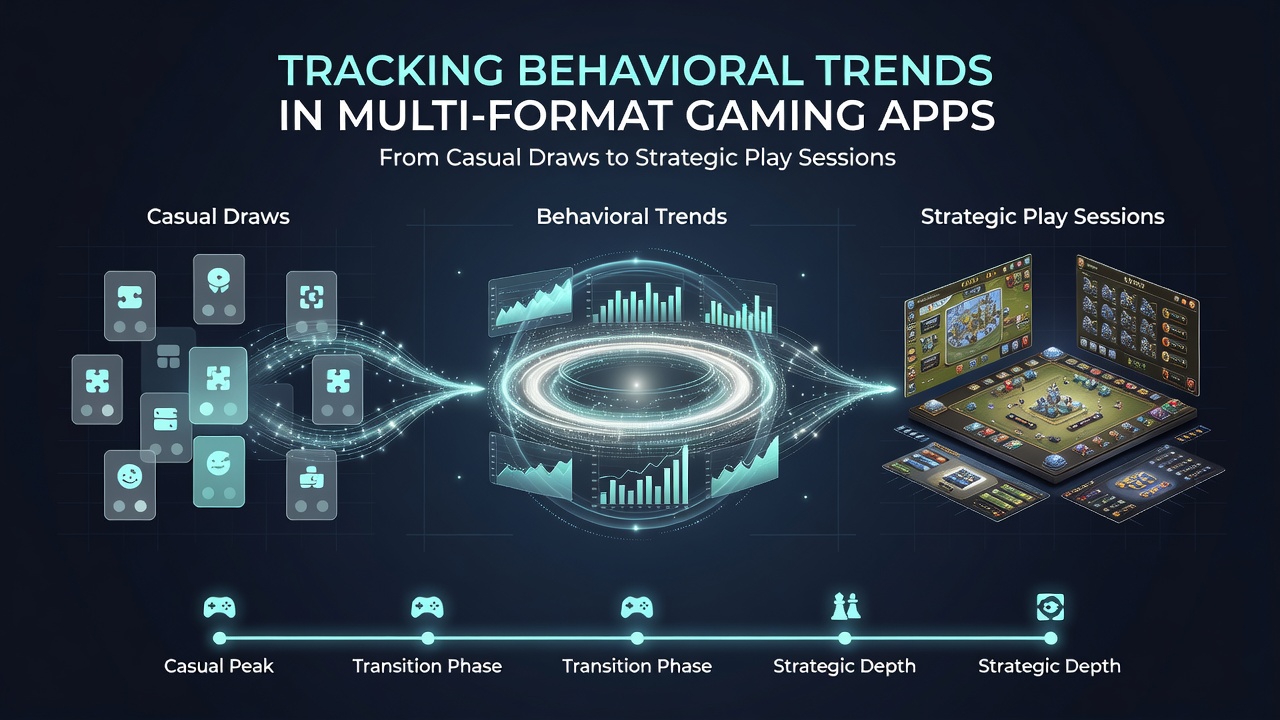
Once core currencies accumulate, many players begin allocating resources across multiple game modes instead of repeated draws. Canadian academic studies released in mid-2026 documented this pivot through longitudinal tracking of individual accounts, finding that the average number of strategic decisions per session rises steadily after the tenth login. Players who previously favored instant rewards start comparing upgrade paths, scouting opponent patterns, and timing competitive entries. The change appears across age groups, although the pace varies by title genre and reward structure.
Regional Variations in Observed Trends
Participation data from Asian markets indicate faster migration to strategic layers compared with Western counterparts, partly because certain apps integrate social guild systems earlier. Figures released by regional trade associations show that collaborative strategy events increase daily active users by measurable margins during summer periods. In contrast, Latin American reports emphasize individual progression metrics, where players focus on optimizing personal draw-to-strategy ratios without heavy social components. These geographic differences inform how developers localize feature rollouts and balance economies.
Tools and Metrics Used by Analysts
Modern tracking suites combine retention curves, funnel analysis, and cohort segmentation to isolate which draw mechanics feed into longer strategic play. Machine learning models trained on historical logs predict when a user is likely to reduce draw activity and increase planning time, allowing teams to surface relevant tutorials or events. Industry conferences in 2026 featured case studies demonstrating that refined notification timing based on these predictions improved return rates without increasing overall session count.
Implications for App Development in Late 2026
Design teams now calibrate reward schedules so that draw systems gradually yield to strategy incentives rather than competing with them. Evidence from multiple platform providers suggests that balanced economies sustain engagement across wider time spans. Continuous monitoring remains essential because external factors such as new device releases or competing titles can alter established patterns within weeks.
Conclusion
Tracking behavioral trends in multi-format gaming apps reveals a consistent movement from rapid draw interactions toward sustained strategic engagement. Aggregated data across regions and time periods provide developers with actionable insights for feature sequencing and economy tuning. As measurement techniques advance, the ability to anticipate these shifts supports more responsive app updates through the remainder of 2026 and beyond.