23 Jun 2026
Player Retention Metrics and the Influence of Interface Customization in Regulated Gaming Environments
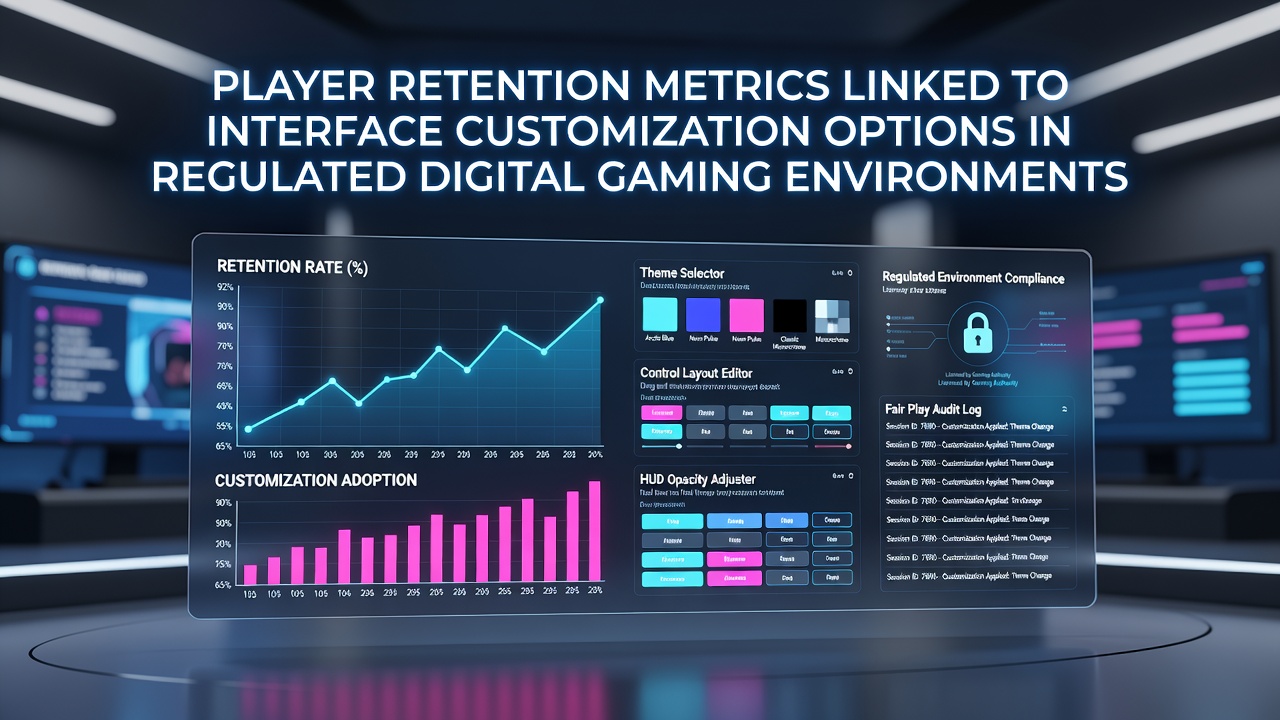
Regulated digital gaming environments track player retention through metrics such as session duration, repeat login frequency, and average revenue per user while operators adjust interface customization options to influence those numbers. Data collected across multiple jurisdictions shows that platforms offering players control over layout, color schemes, notification settings, and control schemes often record higher retention figures than rigid, one-size-fits-all designs.
Core Retention Metrics in Licensed Markets
Operators measure retention using standardized indicators that regulatory bodies require them to report on a quarterly basis. Session length, day-one return rate, and thirty-day active user counts form the foundation of these reports, and analysts cross-reference these figures with customization usage logs to identify patterns. In markets where regulators mandate detailed disclosure, such as several North American provinces and Australian states, the data reveals consistent correlations between personalization depth and longer engagement windows.
Studies compiled by research teams at institutions including the University of Nevada, Reno indicate that users who modify at least three interface elements within their first five sessions demonstrate a measurable uptick in return visits. The same datasets show that players who leave customization untouched tend to exhibit shorter overall lifecycles on the platform.
How Customization Features Function in Practice
Customization options typically include adjustable dashboard layouts, theme toggles between light and dark modes, drag-and-drop menu ordering, and granular control over sound and animation intensity. These tools sit behind logged-in accounts so regulators can audit them for fairness and accessibility compliance. When players exercise these choices, the platform records each selection alongside behavioral telemetry, allowing operators to map which adjustments correspond with extended play periods.
Regulated platforms must also maintain default configurations that meet accessibility standards, yet they can still surface customization prompts after onboarding. Observers note that well-timed prompts, presented after the first completed game round rather than immediately at login, produce higher engagement with the tools themselves.
Evidence from Mid-2026 Regulatory Disclosures
Figures released in June 2026 by the New Jersey Division of Gaming Enforcement highlighted a 14 percent lift in thirty-day retention among accounts that activated at least one interface customization setting. The same report compared cohorts across multiple licensed operators and found that the retention advantage persisted after controlling for game type and promotional activity. Canadian provincial data from the same period echoed the pattern, although the magnitude of the lift varied by province.
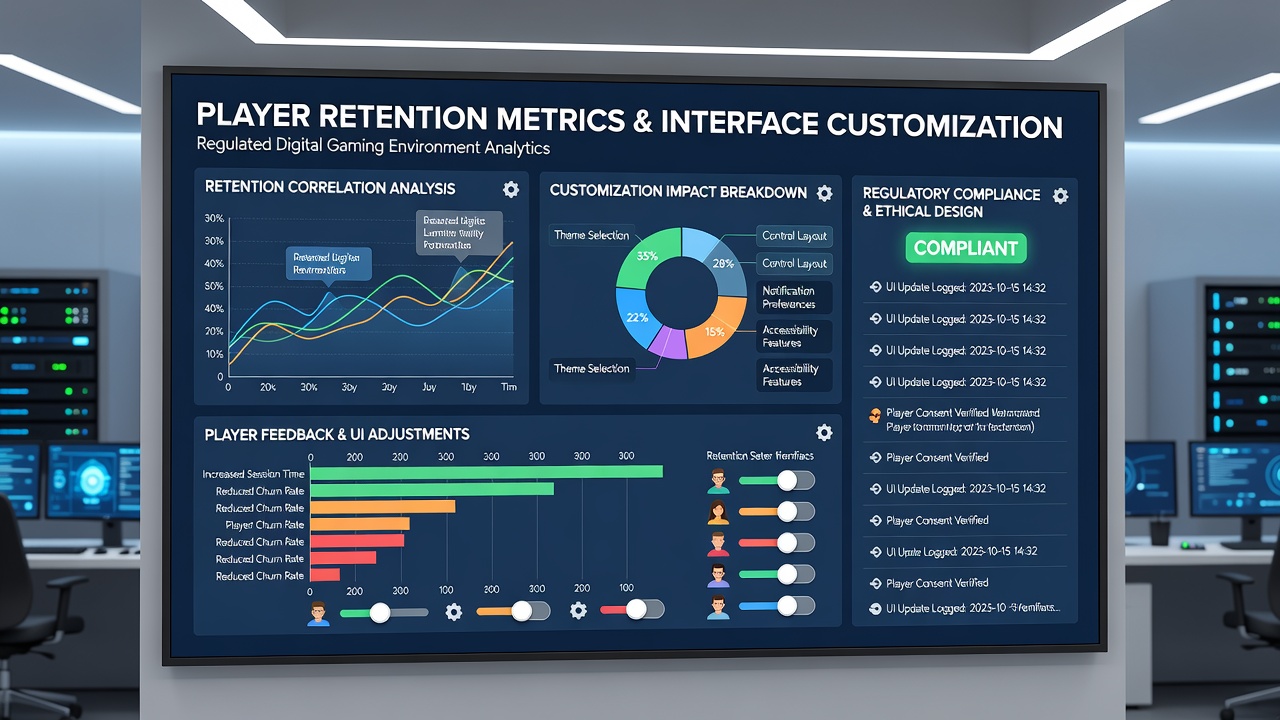
Researchers at the University of Sydney published a parallel analysis in early 2026 that examined anonymized telemetry from several Australian licensed sites. Their findings aligned with North American results and further suggested that customization depth, rather than mere availability, drove the strongest retention outcomes. Players who explored advanced options such as custom hotkey mapping or notification scheduling showed the longest average session tails.
Technical and Regulatory Constraints
Platforms operating under strict regulatory frameworks must log every customization change and retain those records for audit periods that can extend up to seven years. This requirement creates rich datasets for analysis while simultaneously limiting how aggressively operators can test new features. Any new customization toggle must undergo compliance review before deployment, which slows iteration cycles compared with unregulated environments.
Security protocols also influence design choices. Multi-factor authentication flows and responsible gaming pop-ups occupy fixed screen real estate in many jurisdictions, so customization systems must accommodate these mandatory elements without breaking layout integrity. Developers therefore build modular interfaces that allow player adjustments around these fixed components.
Future Directions and Ongoing Research
Industry working groups formed by the European Gaming and Betting Association continue to examine how machine-learning models might predict which customization pathways will retain specific player segments. Early pilot programs in licensed markets suggest that adaptive recommendations, presented after the third session, can increase the percentage of players who engage with customization tools. Regulators in several jurisdictions have signaled openness to such systems provided they remain transparent and auditable.
Academic teams are now collecting longitudinal data that tracks the same player cohorts across multiple years, aiming to determine whether early customization habits predict lifetime value or simply correlate with shorter-term loyalty. Preliminary models indicate both outcomes may occur depending on demographic factors and game category.
Conclusion
Retention metrics in regulated digital gaming environments demonstrate measurable connections to the availability and usage of interface customization options. Data released through 2026 across multiple licensing authorities shows that players who engage with these tools tend to return more frequently and maintain longer active periods on licensed platforms. Ongoing research continues to refine understanding of which specific customizations produce the strongest effects while respecting the transparency and audit requirements that define regulated markets.