2 Jun 2026
Regulatory Navigation in Mobile Suites Integrating Lottery Formats with Card Strategy Features
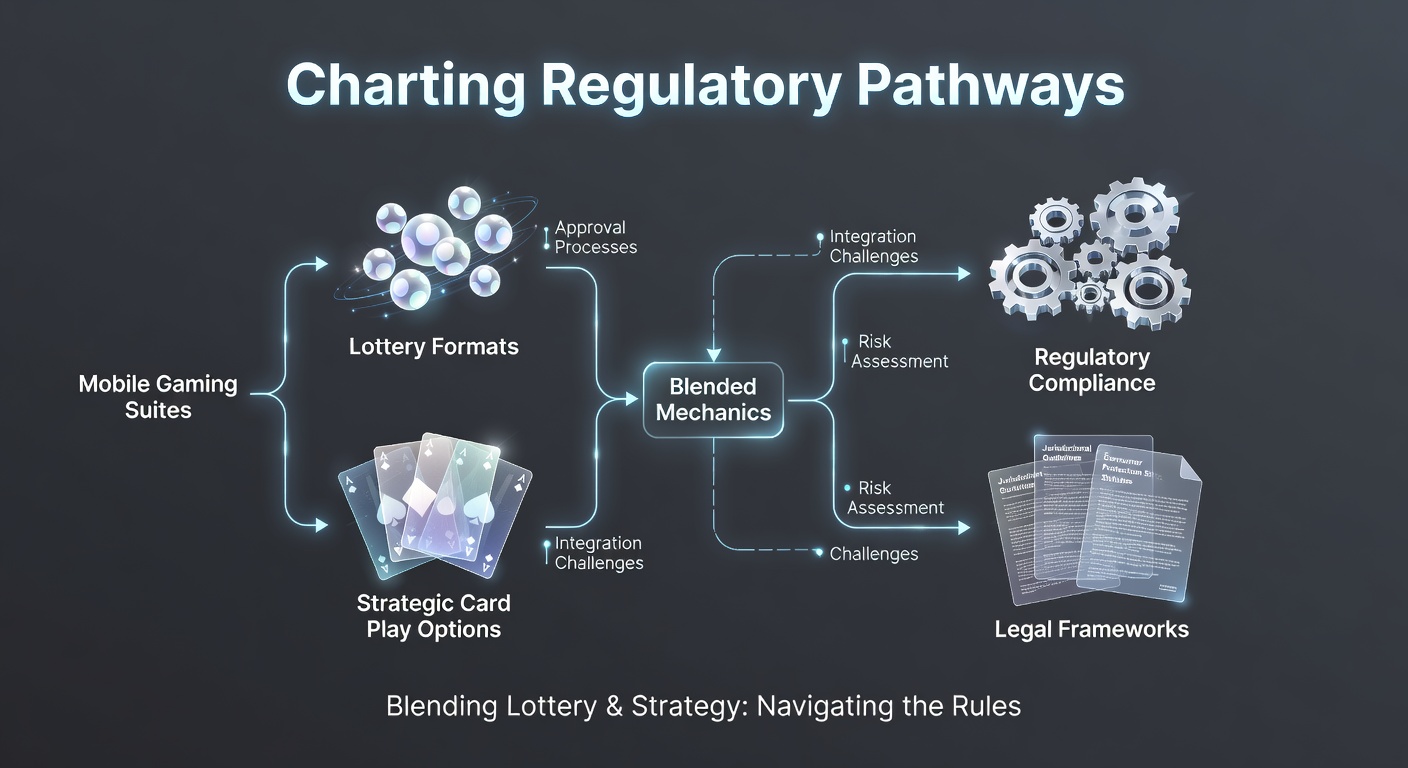
Developers face distinct compliance requirements when mobile applications combine random lottery elements with skill-based card mechanics, and these rules continue to evolve across multiple jurisdictions through 2026. Regulatory bodies examine each component separately while also reviewing how the elements interact within a single user session, which creates layered approval processes that demand careful documentation of both chance and strategy portions.
Defining the Hybrid Gaming Structure
Mobile suites in this category typically present lottery draws that occur at set intervals alongside card tables where players make decisions based on visible information and probability calculations. The distinction matters because many frameworks classify pure chance activities under one set of licensing rules while placing skill-influenced games under another category that may involve different testing standards and taxation rates.
Developers document the random number generator separately from the decision trees that govern card outcomes, and they submit both systems for independent audits before launch. This separation helps regulators verify that strategic choices genuinely affect results rather than serving as window dressing for an otherwise random process.
Key Jurisdictional Approaches
In the United States, state-level gaming authorities such as the Nevada Gaming Control Board require operators to demonstrate clear boundaries between lottery-style components and card-based strategy segments. Applications must include detailed mathematical models showing expected return percentages for each mode, and any cross-promotion between the two must avoid creating misleading expectations for users.
Canadian provinces have adopted parallel review tracks through bodies like the Alcohol and Gaming Commission of Ontario, where hybrid products undergo separate certification for their random and skill elements before receiving full market approval. Reports from the Alcohol and Gaming Commission of Ontario indicate that review timelines average between 90 and 120 days when both components receive simultaneous submission rather than sequential filings.
Technical Certification Requirements
Testing laboratories evaluate the lottery portion for statistical fairness using large sample sizes, while card modules receive scrutiny for proper implementation of game rules and payout tables. Integration points between the two systems undergo additional checks to confirm that progression mechanics, such as bonus entries earned through card play, do not inadvertently alter the underlying randomness of lottery draws.
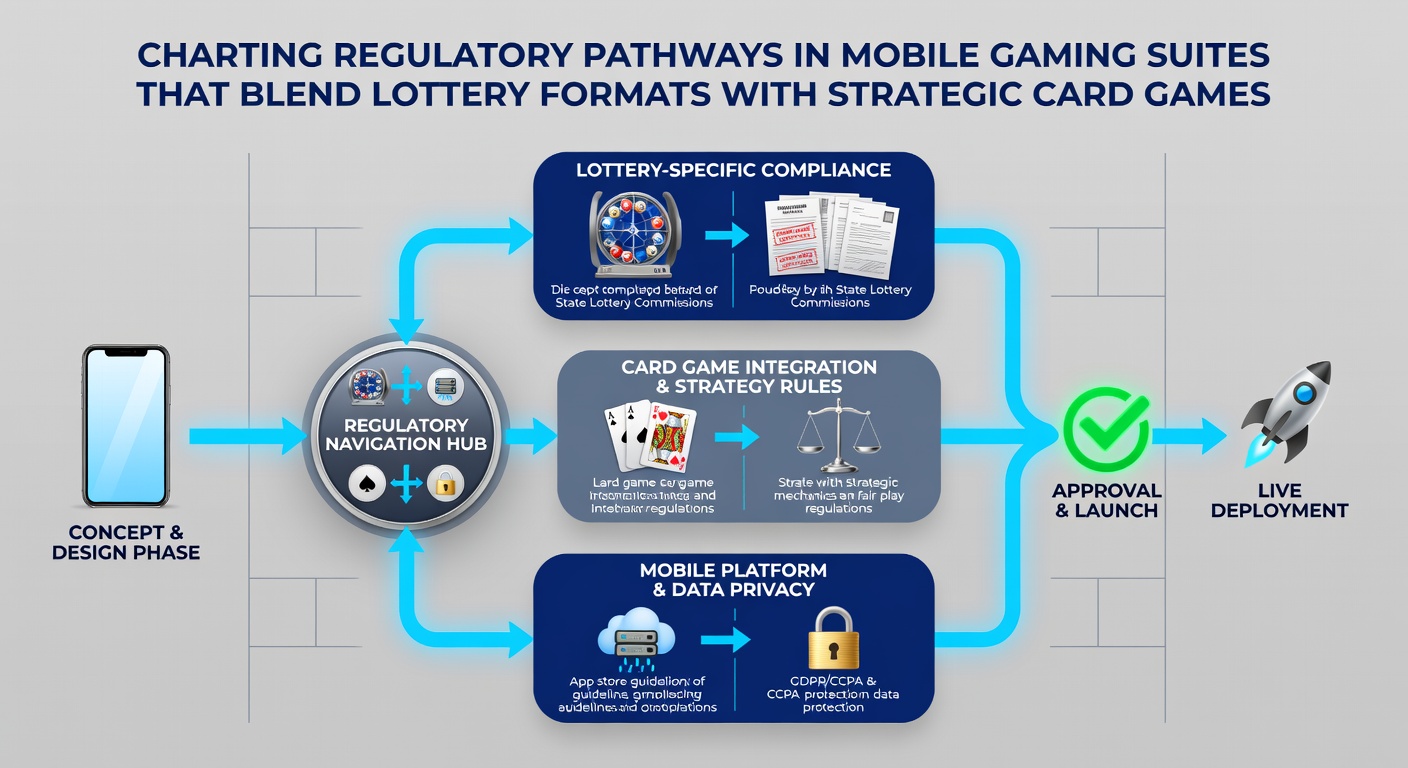
Software updates that affect either component trigger fresh review cycles in most regions, although some jurisdictions allow minor cosmetic changes without re-certification when core algorithms remain untouched. Operators maintain detailed change logs that regulators can request during periodic compliance audits.
Taxation and Reporting Obligations
Revenue attribution becomes complicated when users move between lottery and card sections within the same application, and tax authorities require clear allocation methods that prevent double-counting or under-reporting. Several European member states have issued guidance documents that outline acceptable revenue-splitting formulas based on time spent or transaction volume within each mode.
Data from industry reports compiled by the European Gaming and Betting Association show that hybrid products generate distinct reporting categories in 2026 filings compared with traditional single-format titles, and operators allocate additional resources to maintain accurate segmentation throughout the fiscal year.
Player Protection Measures
Age verification systems must apply uniformly across both lottery and card sections, while spending limits and session reminders often carry separate configurations depending on the activity type. Regulators examine whether combined play sessions create elevated risk profiles that single-format games do not present, and they may require additional responsible gaming tools tailored to the hybrid experience.
Research institutions such as the University of Nevada's International Gaming Institute have published studies examining user behavior patterns in mixed-format environments, and these findings inform ongoing policy discussions around session length caps and notification frequency in several markets.
Conclusion
Regulatory pathways for mobile gaming suites that merge lottery formats with strategic card options continue to develop as authorities refine their understanding of how these components interact. Operators who maintain thorough documentation, engage early with testing laboratories, and align reporting structures with jurisdictional expectations position their products for smoother approval processes across multiple regions through the remainder of 2026 and beyond.