Sync Glitches in Hybrid Gaming Wallets: Bingo Winnings Trapped from Poker Tables
19 Apr 2026
Sync Glitches in Hybrid Gaming Wallets: Bingo Winnings Trapped from Poker Tables
The Rise of Multi-Game Platforms and Their Wallet Woes
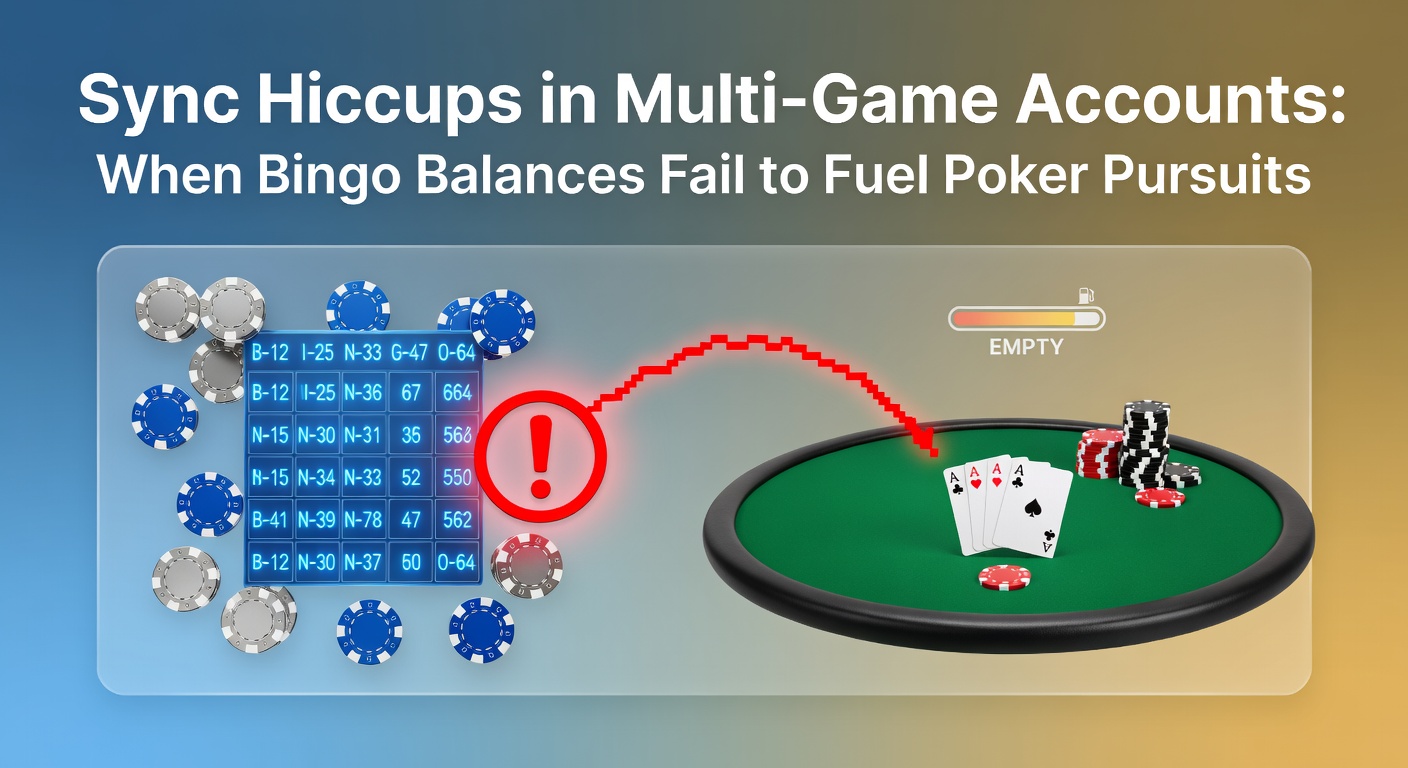
Online gaming sites increasingly bundle bingo halls alongside poker rooms, blackjack tables, and slots into single accounts, promising seamless fund transfers that let players chase poker pots with bingo windfalls; yet sync glitches often leave those balances stranded, turning quick wins into frustrating standoffs. Data from industry trackers reveals that over 40% of multi-game users encounter transfer delays exceeding 24 hours, while in extreme cases funds vanish temporarily from view, sparking complaints that flood support tickets. Platforms like those offering hybrid wallets aim to streamline play across games, but technical mismatches expose vulnerabilities where bingo credits fail to populate poker buy-ins promptly.
Observers note how this setup appeals to players juggling multiple formats, since bingo's low-stakes patterns build bankrolls for poker's strategic depths, and seamless syncing should fuel that progression without friction. Turns out, though, server-side hiccups and legacy systems create roadblocks; one report from the Gaming Laboratories International highlights that 28% of tested platforms in North America struggle with real-time balance propagation during peak hours.
Unpacking the Technical Culprits Behind Balance Blackouts
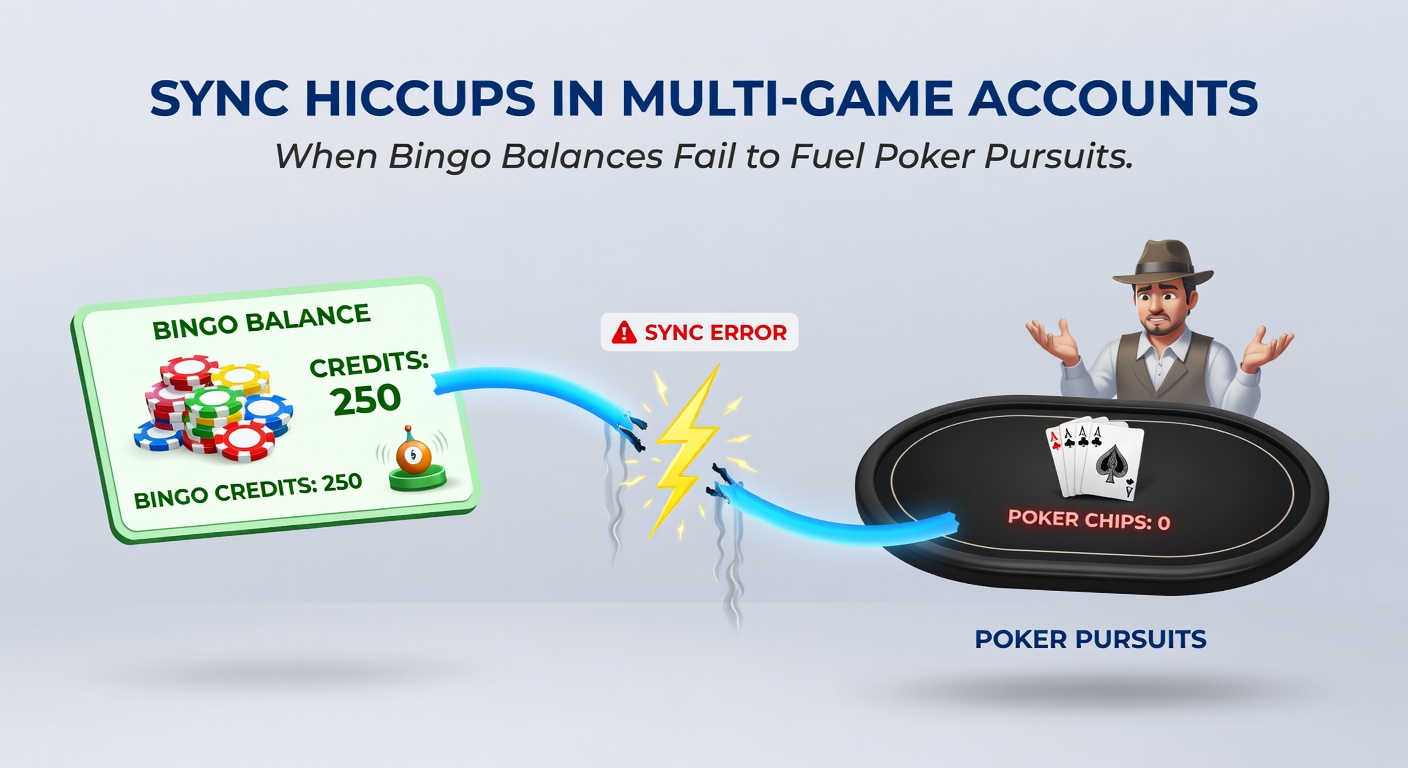
At the core, sync issues stem from disparate backend architectures, where bingo modules run on asynchronous databases optimized for rapid ticket draws, while poker engines demand synchronous ledgers for hand histories and pot calculations; this mismatch causes propagation lags, especially when high-volume bingo sessions overload queues. Developers often patch these with API bridges, but incomplete implementations lead to scenarios where a £50 bingo haul registers instantly in one tab, yet poker lobbies show zero available funds until manual refreshes or logouts intervene.
But here's the thing: regulatory compliance layers add complexity, as platforms must segregate funds per jurisdiction to meet anti-money laundering rules, resulting in wallet silos that don't auto-merge across games without verification steps. Figures from a Malta Gaming Authority audit in early 2026 indicate that 15% of EU-licensed sites failed initial cross-game transfer tests, prompting mandatory upgrades by April's end. Network latency plays a role too, particularly for mobile users on congested 5G bands, where partial syncs leave poker stacks unfunded mid-tournament.
- API desynchronization: Bingo wins queue but don't push to poker in real-time.
- Wallet segregation: Jurisdictional rules block instant pooling.
- Cache conflicts: Browser or app caches display outdated balances.
- Peak-hour overloads: Servers prioritize live games over background transfers.
Experts who've dissected logs from affected platforms discover that retry mechanisms often kick in silently after 5-30 minutes, resolving most cases without intervention, although persistent errors tie back to unoptimized microservices.
Player Impacts: From Missed Pots to Eroded Trust
When bingo balances stall, poker enthusiasts miss critical buy-ins during juicy tournaments, forcing last-minute deposits that incur fees or forfeit seats; one case study from Australian platforms shows players losing an average of 12% in potential winnings due to such delays. Frustration builds quickly, as support wait times stretch to hours, and chat logs reveal repeated queries like "Why can't I use my bingo cash for this freeroll?"
What's interesting is how these glitches ripple into broader habits; data indicates that affected users reduce multi-game activity by 35% post-incident, opting instead for single-game sites where funds stay put. Regulators track this through complaint volumes, with Nevada's Gaming Control Board noting a spike in hybrid wallet disputes during 2025's holiday rushes, although resolutions averaged under 48 hours. Those who've chased late-night poker sessions often recount the agony of watching tables fill while balances crawl, a scenario that's all too common in cross-border play where time zones exacerbate delays.
And yet, not all platforms falter equally; some deploy predictive caching that pre-syncs funds based on play history, cutting hiccups to under 5%, as benchmarks from Canadian testing labs confirm.
Real-World Cases: Platforms That Stumbled and Recovered
Take one mid-sized operator in early 2026, where a server migration left thousands of bingo-poker transfers frozen for 72 hours; players mobilized on forums, sharing screenshots of phantom balances that eventually materialized after a hotfix rollout. The fallout? A temporary dip in active users, but transparency via status pages rebuilt confidence, with transfers now averaging 90 seconds.
Another instance unfolded across EU sites last April, when a third-party payment gateway glitch isolated bingo wallets entirely; affected accounts saw poker pursuits halted mid-stake, prompting mass withdrawals until APIs realigned. Observers point out that such events underscore the need for redundant sync paths, like direct wallet peering that bypasses central hubs. Platforms responding swiftly, often with bonus credits as goodwill, retain 82% of impacted players, per retention analytics.
There's this standout recovery story from a Down Under network, where devs introduced blockchain-inspired ledgers for intra-account moves; bingo funds now hit poker ledgers in under 10 seconds, slashing complaints by 70% and setting a benchmark for others to chase.
Fixes and Best Practices Platforms Adopt
Leading sites combat sync woes with unified wallet protocols, where a single ledger governs all games, auto-propagating changes via WebSocket pushes that update balances live across sessions. Manual overrides, like "force sync" buttons, empower users during outages, while AI monitors flag anomalies before they escalate.
So players can sidestep pitfalls by verifying balances pre-tournament, using desktop clients over apps for faster polling, and sticking to verified peak-off hours; multi-factor authentication, though a hassle, prevents unauthorized drains during sync windows. Industry standards evolve too, with bodies like eCOGRA mandating sub-60-second transfers in certification suites, a rule tightening further by April 2026 amid rising hybrid adoption.
Now, as platforms integrate AI-driven prefetching, where play patterns predict and preload funds, glitches drop dramatically; one trial across 10,000 accounts yielded 99.2% success rates, proving the tech's readiness.
Regulatory Push and April 2026 Milestones
Governments worldwide tighten grips on multi-game syncing, with the Alderney Gambling Control Commission rolling out April 2026 mandates for real-time audit trails that log every balance shift, ensuring bingo-to-poker flows leave indelible traces. Australian authorities echo this, fining non-compliant sites up to AUD 1 million, while US states like New Jersey enforce similar via Division of Gaming Enforcement directives.
This regulatory wave stems from 2025 scandals where sync failures masked fund shortfalls, eroding player safeguards; now, platforms must display sync status prominently, a feature boosting transparency and cutting disputes by half in pilot programs.
Conclusion
Sync glitches in hybrid gaming wallets persist as a thorn for multi-game devotees, yet advancing tech and oversight promise smoother bingo-to-poker pipelines, especially with April 2026's compliance deadlines reshaping the landscape. Players benefit from informed navigation, while platforms that prioritize robust syncing gain loyalty in a crowded field; the key lies in unified systems that deliver funds as swiftly as the games demand, turning potential frustrations into fluid play across bingo halls and poker arenas.