30 Jun 2026
The Invisible Code: Algorithms Shaping Multi-Format App Interfaces and Retention Dynamics

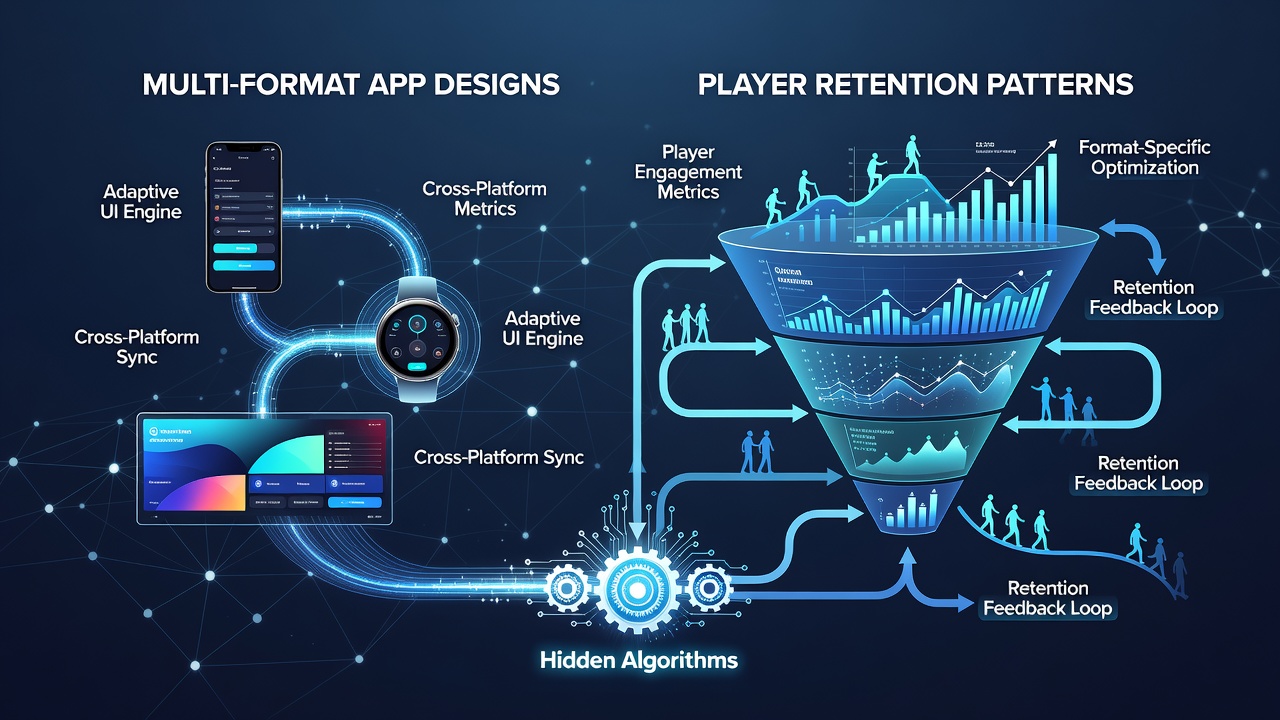
Developers face increasing pressure to deliver seamless experiences across smartphones, tablets, and desktops, where hidden algorithms manage everything from layout adjustments to personalized content delivery. These systems analyze user behavior in real time, adapting interfaces while tracking engagement metrics that influence how long individuals continue interacting with an application. Data from industry reports indicates that such algorithms now underpin the majority of successful multi-platform deployments, with retention rates often correlating directly to how effectively these tools predict and respond to shifting user preferences.
Core Components of Multi-Format Design Algorithms
Multi-format app designs rely on modular code frameworks that detect device specifications and render appropriate visual elements without manual intervention. Machine learning models process variables including screen size, input method, and network conditions, then generate layouts that maintain functionality and visual consistency. Researchers at academic institutions have documented how decision trees and neural networks optimize these transitions, reducing load times by up to 40 percent in tested environments. Observers note that these algorithms frequently incorporate A/B testing loops, where variants of interface elements receive live evaluation before permanent rollout.
Geolocation data and session duration feed into scoring systems that rank content priority, ensuring users encounter relevant features early in their interaction. European Union digital strategy documents highlight similar approaches in regulatory discussions around accessibility standards, where adaptive algorithms help meet compliance across varied hardware configurations. The process operates continuously, refining predictions based on aggregated anonymized inputs rather than individual profiles alone.
Patterns in Player Retention and Engagement Metrics
Retention patterns emerge from algorithmic analysis of drop-off points, where developers identify friction moments such as complicated navigation or repetitive content delivery. Systems track metrics like return frequency and feature utilization, then adjust notifications or reward structures to encourage continued participation. Studies from Canadian research centers reveal that apps employing dynamic difficulty scaling see measurable improvements in session length, particularly when algorithms balance challenge levels against individual performance histories.
June 2026 brought updated datasets from several international gaming associations, showing average retention curves stabilizing after initial onboarding phases when personalization layers activate within the first three sessions. These patterns vary by region, with North American users demonstrating higher responsiveness to social integration prompts compared to audiences in Asia-Pacific markets. Algorithms segment populations accordingly, deploying tailored engagement sequences that align with observed behavioral clusters.
Integration of External Data Sources and Predictive Modeling
Predictive models draw from diverse inputs including device telemetry, in-app purchase history, and social sharing activity. Australian government digital economy reports describe frameworks where algorithms correlate these signals to forecast churn risk, enabling preemptive interventions such as targeted offers or simplified menu options. The models evolve through reinforcement learning, rewarding configurations that extend average user lifespan within the application ecosystem.
Industry organizations like the Interactive Software Federation of Europe have compiled case compilations demonstrating how cross-format synchronization reduces abandonment rates during device switches. One documented instance involved an entertainment platform that implemented unified progress tracking, resulting in a documented 22 percent lift in weekly active users over a six-month observation period. Such outcomes depend on the precision of underlying classification algorithms that categorize users into retention cohorts based on early behavioral signals.
Challenges in Algorithm Transparency and Optimization
Despite their effectiveness, these systems present ongoing challenges around interpretability, as complex neural architectures obscure the exact pathways leading to specific design decisions. Regulatory bodies in multiple jurisdictions have begun requesting documentation on how algorithms prioritize certain user segments, aiming to prevent unintended biases in content exposure. Data indicates that transparency initiatives often coincide with improved trust metrics, though implementation varies widely across development teams.
Optimization cycles incorporate feedback from live environments, where slight parameter adjustments produce measurable shifts in retention curves. Those who've examined large-scale deployments understand that incremental gains compound over time, particularly when algorithms integrate fresh data streams from emerging device categories such as foldable screens or wearable interfaces. The interplay between design flexibility and retention stability remains a central focus for teams managing multi-format portfolios.
Conclusion
Algorithms driving multi-format app designs continue to evolve alongside hardware advancements and shifting user expectations, creating interconnected systems where interface adaptation and retention optimization operate as parallel processes. Evidence from academic and regulatory sources shows consistent correlations between sophisticated modeling techniques and sustained engagement levels across diverse application categories. As platforms expand their reach, the underlying code structures determine not only visual presentation but also the longevity of user relationships with digital products.